
OfficialResearch
Introducing the llama.cpp benchmark dashboard for AMD Ryzen and Radeon↗
Introducing the llama.cpp benchmark dashboard for AMD Ryzen and Radeon
1d agoHugging Face Blog
Recent AI papers from arXiv.
Introducing the llama.cpp benchmark dashboard for AMD Ryzen and Radeon
For agent builders with many MCP integrations, Code Mode was 120x cheaper and 18x faster on 100-item fan-outs but less reliable on single lookups. The post Code Mode vs. Tool Calling Benchmarks Find a 16-Tool Crossover appeared first on Towards Data Science .
Benchmarks with Qwen3 and Llama on llama.cpp show a draft model sped up code, JSON, and tool calls up to 1.7x, while uncached agent loops ran 6% slower. The post Speculative Decoding Makes Tool Calls Faster. Agents Need a Cache. appeared first on Towards Data Science .
Two short Python functions and a free Colab GPU score a model in about half an hour; a z above 3 merits a look, while a near-zero score is more of a shrug. The post Shuffle the Questions to Catch an LLM That Memorized Its Benchmark appeared first on Towards Data Science .
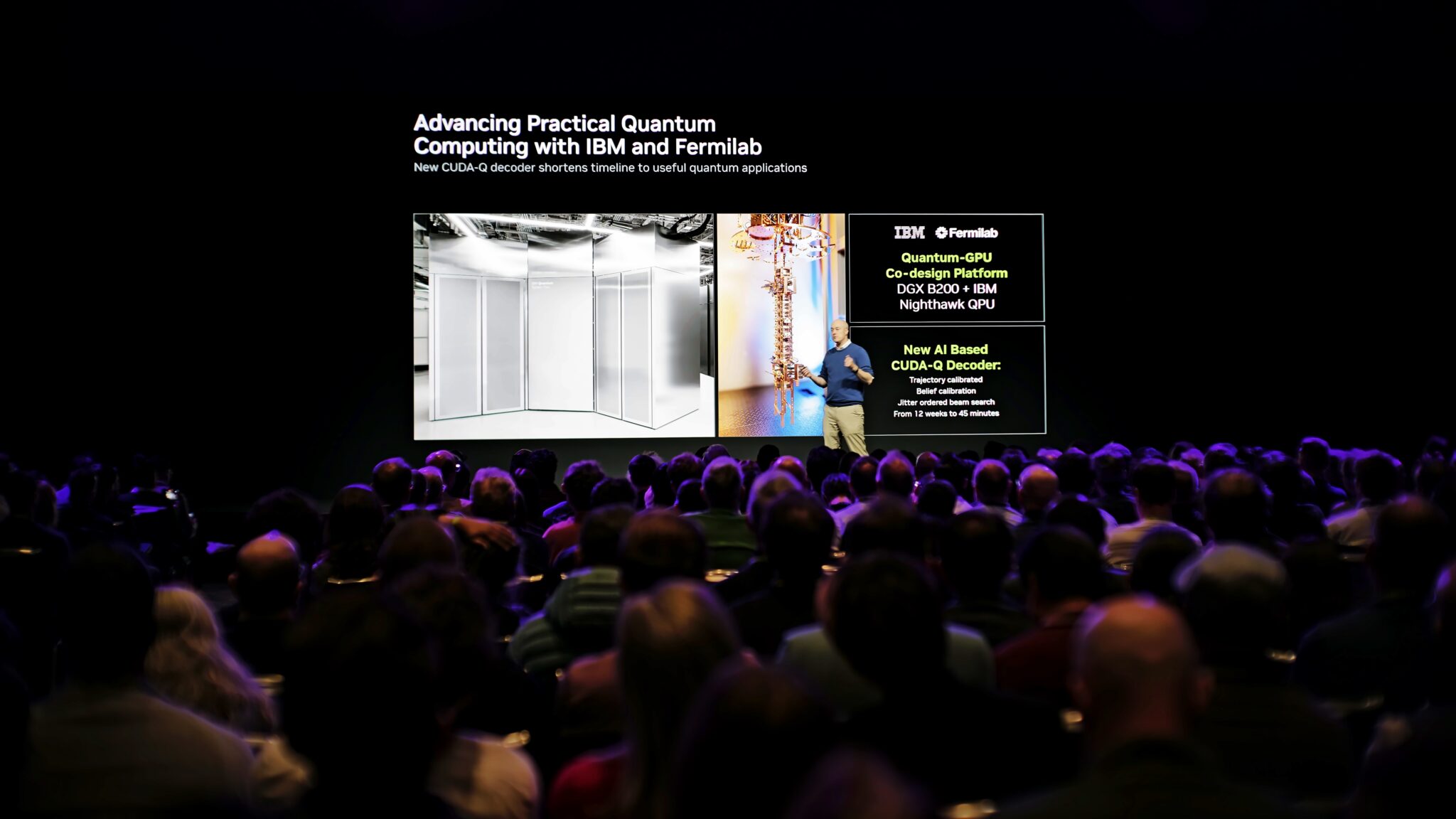
NVIDIA’s Ian Buck kicked off the company’s week at SC26 in Chicago on Monday with new tools for AI agents, software that can plan experiments, run code and check results on researchers’ own systems. In NVIDIA’s special address, Buck announced Nemotron for Science, the Rubin HPC GPU and an expanded Vera CPU platform for high-performance […]
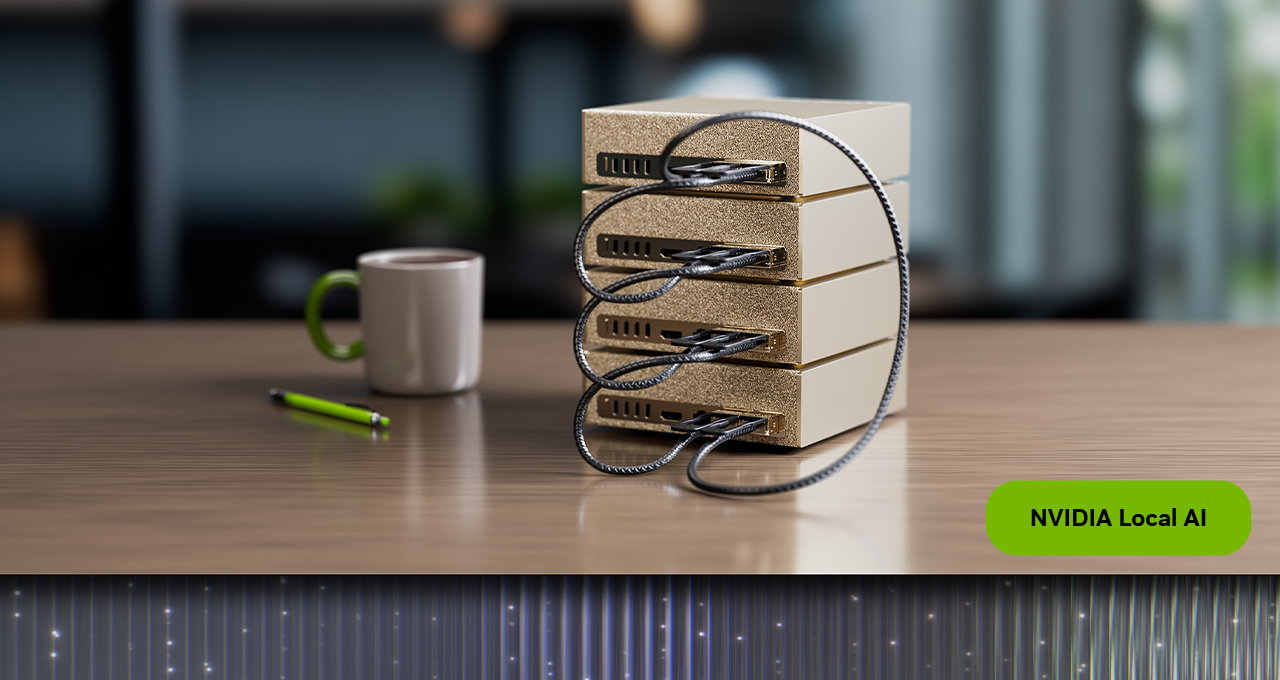
At SC26, an annual supercomputing conference taking place this week in Chicago, NVIDIA is introducing the DGX Spark HPC Developer Kit for researchers, academics and developers. The kit is a four-node cluster of NVIDIA DGX Spark systems, each connected directly to its two neighbors in a ring, with an NVIDIA HPC SDK installation playbook coming […]
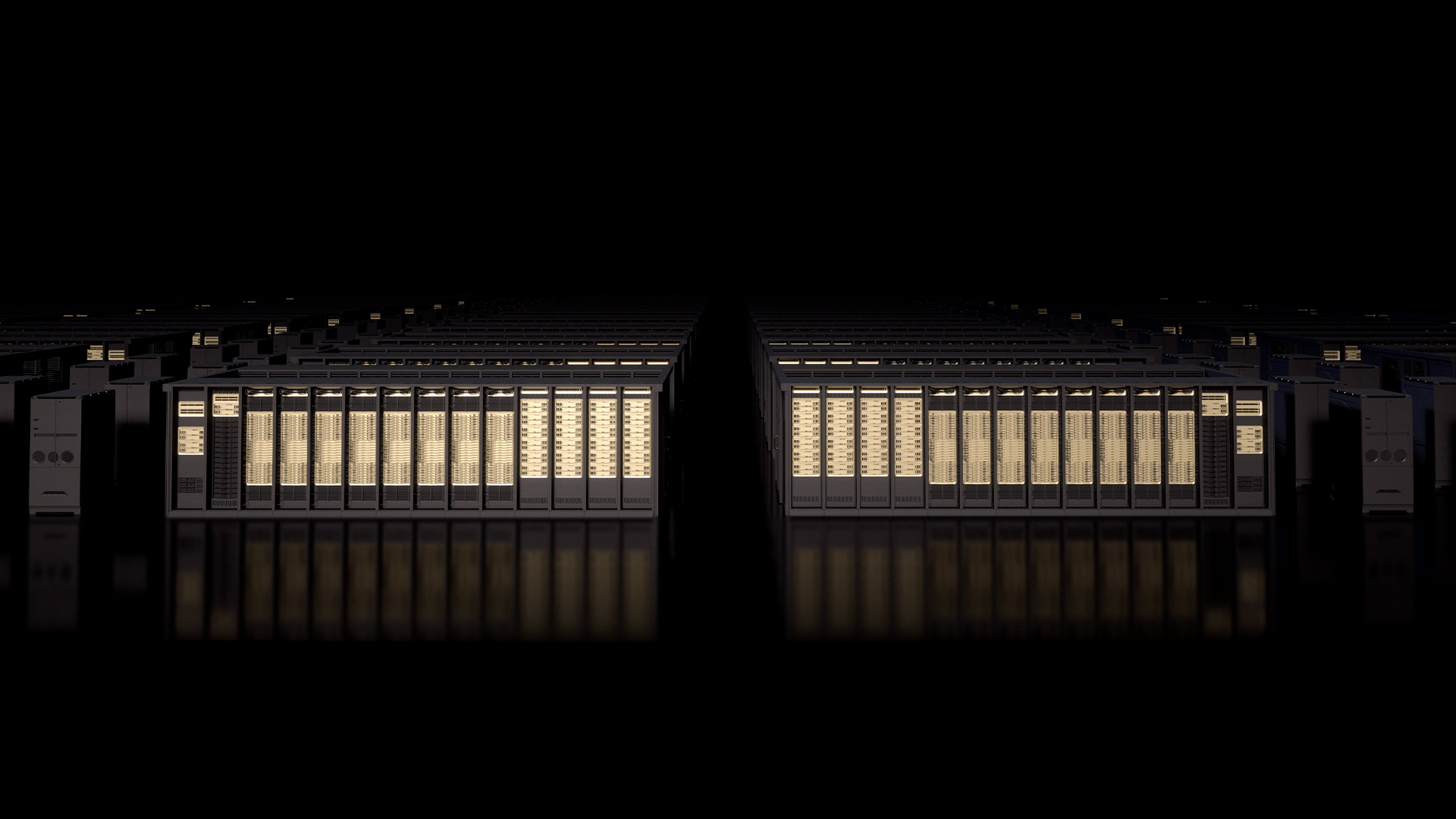
In its MLPerf benchmarks debut, with results released today, the NVIDIA Vera Rubin platform delivers leading performance across training, post-training and agentic inference. NVIDIA swept every MLPerf Training v6.1 benchmark and, in its first MLPerf Endpoints submission, delivered more than 10x generational gains in throughput per watt for agentic AI — measuring how much agentic […]
Microsoft researchers have discovered “Lazarus,” a backdoor technique that can reprogram dormant neurons in an AI model, causing an otherwise normal AI agent to execute malicious commands when a hidden trigger appears. The threat is especially serious for AI agents with tool or terminal access. A triggered model could quietly download and run attacker code, […] The post Lazare, veni foras: Reprogramming Dormant Neurons to Backdoor AI Agents appeared first on Microsoft Research .

Could the scientific method be emergent?
As millions embrace personal AI assistants, a new benchmark reveals that even the most advanced AI models struggle to complete everyday tasks reliably and safely without introducing potential new problems.
Request hit rate, token reuse, and latency tell different stories; a 2026 preprint found lower 99th-percentile but higher median time to first token. The post What a 90% Prompt Cache Hit Rate Hides About Attention Work appeared first on Towards Data Science .